09 November 2026
How to Spot Roof Damage Before It Gets Worse
Presented by @roofdamageassessmentinsight
Your roof is your home's first defense against weather, but it doesn't last forever. Wind, rain, and sun take a toll over time, and small problems can turn into expensive repairs if you don't catch them early. Knowing what to look for during a basic check can help you decide when to call a professional for a closer look.
Most roof damage starts small. A single loose shingle, a patch of worn flashing, or a tiny leak can go unnoticed for months. By the time water stains appear on your ceiling, the damage underneath might already be significant. That's why regular inspections matter. You don't need to climb onto the roof yourself to spot trouble, but understanding what a pro will check helps you communicate better and plan ahead.
What Affects Roof Condition Over Time
Several factors determine how quickly a roof ages. Sun exposure is a big one. UV rays break down asphalt shingles, making them brittle and prone to cracking. In hot climates, this happens faster than many homeowners realize. Temperature swings also cause materials to expand and contract, which can loosen nails and seals over time.
Tree branches that hang over the house scrape against shingles during wind, wearing away protective granules. Leaves and debris trap moisture against the roof surface, promoting moss or algae growth that holds water against the material. Gutters that stay clogged force water to pool along the edges, where it can seep under the shingles.

Storm events add another layer of risk. Hail can bruise or crack shingles, leaving them vulnerable to leaks. High winds lift shingles from underneath, breaking the seal that keeps water out. After a severe storm, a careful roof damage assessment helps you identify what needs immediate attention and what can wait.
Signs of Damage You Can See From the Ground
You can check for many common problems without ever stepping on a ladder. Grab a pair of binoculars and walk around your house, looking at the roof from every angle. Here are the main things to watch for:
- Missing or curled shingles. A shingle that's lifted at the edges or completely gone is a clear invitation for water to enter.
- Dark spots or streaks. These often indicate granule loss, where the protective surface has worn away and the underlying mat is exposed.
- Dents or cracks from hail. Even small dings can compromise the shingle's ability to shed water.
- Flashing damage. Flashing is the metal or rubber material around chimneys, vents, and skylights. If it's pulled away or rusted, water can get behind it.
- Gutters full of granules. If you see a lot of black or colored sand in your gutter after a rain, your shingles are shedding their protective coating.
These signs don't always mean you need a full replacement, but they do mean you need a closer look. A professional inspection will confirm whether the damage is surface-level or structural.
What Happens During a Professional Inspection
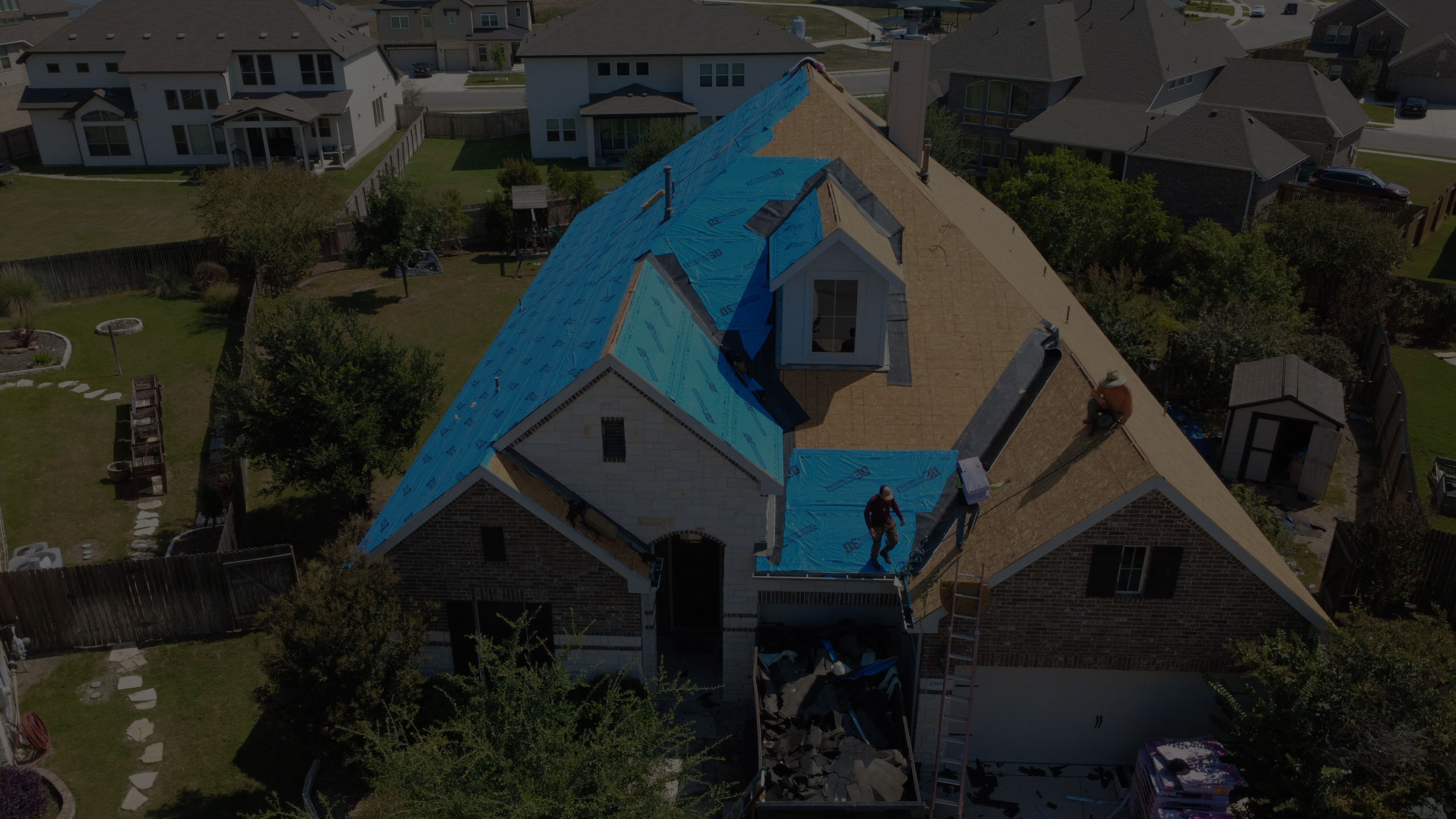
When a roofer does a roof damage assessment, they examine more than just the visible shingles. They check the underlayment, the flashing seals, the ridge caps, and the valleys where two roof planes meet. They also look inside the attic for signs of moisture, mold, or daylight coming through the decking. This interior check is often where hidden problems show up first.
Inspectors use tools like moisture meters to find wet spots in the decking that aren't yet visible from below. They check for soft spots by pressing on the roof surface in suspect areas. They also examine the ventilation system, because poor airflow can trap heat and moisture under the roof, accelerating wear.
The goal is to separate cosmetic issues from real structural concerns. A few missing granules might be normal aging, but a cracked shingle in a valley could lead to a major leak. The inspector will prioritize what needs repair now versus what can be monitored over time.
When to Schedule a Check
Timing matters. The best time for a roof inspection is spring and fall, when weather is mild and you can catch seasonal damage before the next extreme weather arrives. It's also wise to schedule one after any major storm, especially if you suspect hail or wind damage. Many homeowners wait until they see a leak, but by then the damage has often spread beyond the original spot.
If your roof is more than 15 years old, annual inspections become more important. Older roofs are more susceptible to small failures that can cascade into big ones. Knowing the approximate age of your roof helps you gauge how urgent any findings might be.
DIY Checks vs. Professional Assessment
You can handle some basic maintenance yourself, like cleaning gutters and trimming overhanging branches. But a thorough roof damage assessment requires experience and safety equipment. Walking on a roof can be dangerous, especially if the surface is slippery or steep. Professionals know how to spot subtle signs that an untrained eye might miss, like a slight sag in the decking or a hairline crack around a vent boot.
Another thing to consider is warranty coverage. Many roofing materials come with warranties that require professional installation and inspection to remain valid. Attempting your own repairs could void that coverage. When in doubt, it's smarter to pay for an inspection than to risk missing something that will cost much more to fix later.
What to Expect After the Assessment
Once the inspection is complete, you'll receive a report detailing the findings. This typically includes photos of problem areas, a description of the damage, and recommendations for repair or replacement. The report helps you make informed decisions about what to do next. Sometimes the fix is as simple as resealing a flashing joint. Other times, the damage is widespread enough that a full roof replacement is the more cost-effective long-term choice.
Don't rush into a decision. Get multiple opinions if the recommended work is extensive. Ask questions about the materials suggested and the expected lifespan of the repair. A good contractor will explain their reasoning and give you options, not just a single high-pressure bid.
Preventing Future Problems
After you've addressed any current damage, focus on prevention. Keep your roof clean of debris. Trim back tree limbs so they don't rub against the surface. Ensure your attic is properly ventilated to reduce heat buildup. And stay on top of gutter maintenance, especially before the rainy season.
Regular inspections, even if they're just visual checks from the ground, help you catch small issues before they become emergencies. A little effort now can save you from a major roof replacement down the road.